
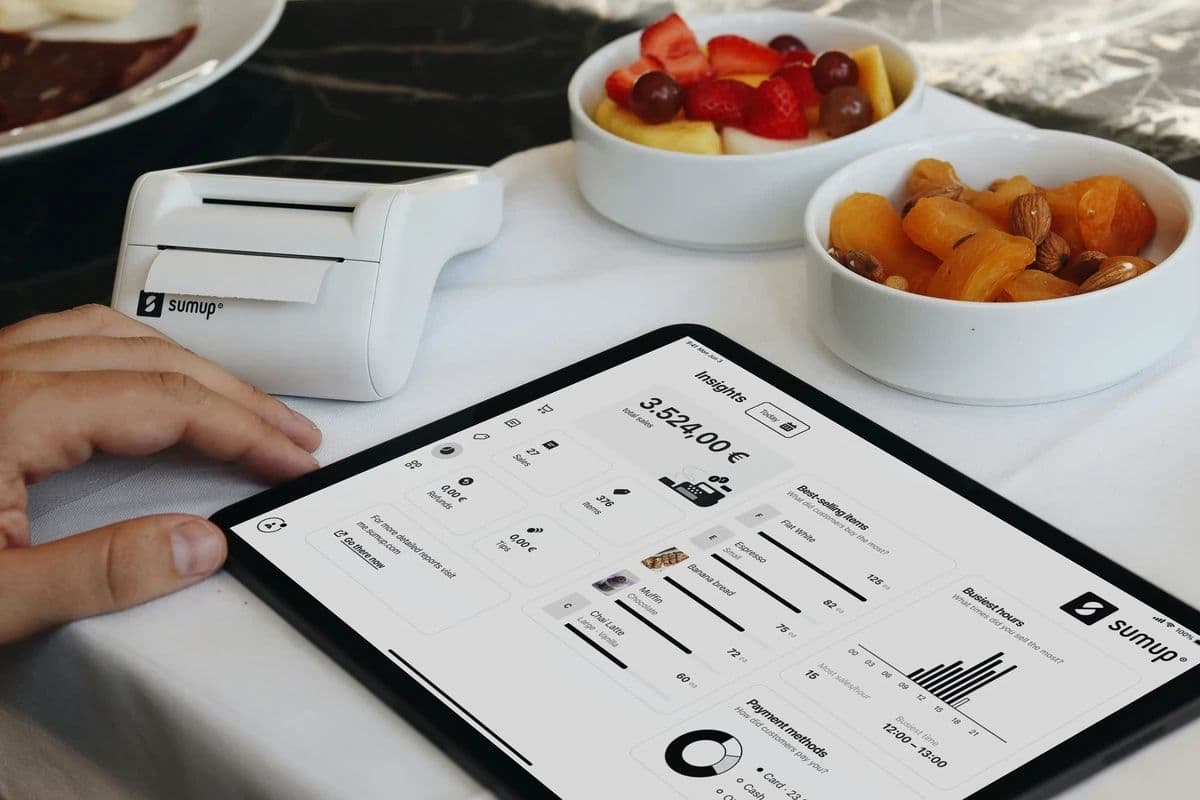

If you do not know exactly what is in your kitchen at any given time, you are leaving money on the table — literally. Food waste costs the average restaurant 5-15% of revenue, and most of it is preventable with a simple counting system.
The good news? You do not need expensive inventory software. You need a consistent process and 20 minutes per day. Here is the system that works.
The 3-Count System
Most operators try to do one big monthly inventory count and call it done. That is why it never works. Instead, use three different counts at three different cadences:
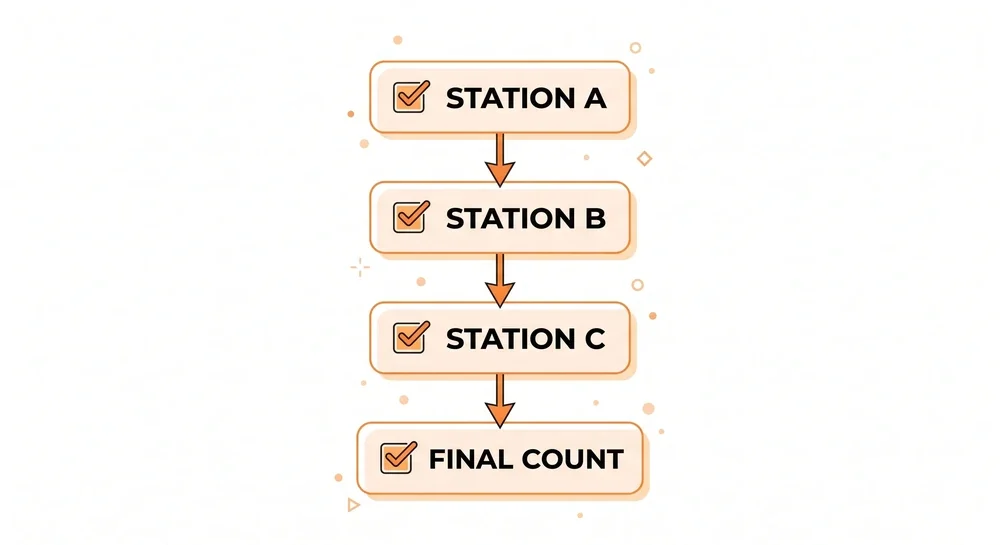
1. Daily Par Count (5 minutes)
Every morning, count your top 10-15 high-value or high-waste items. These are the ingredients that drive your food cost:
Proteins (meat, fish, chicken)
Cheese and dairy
Specialty ingredients (truffle oil, saffron, aged balsamic)
High-volume produce (avocados, tomatoes, lettuce)
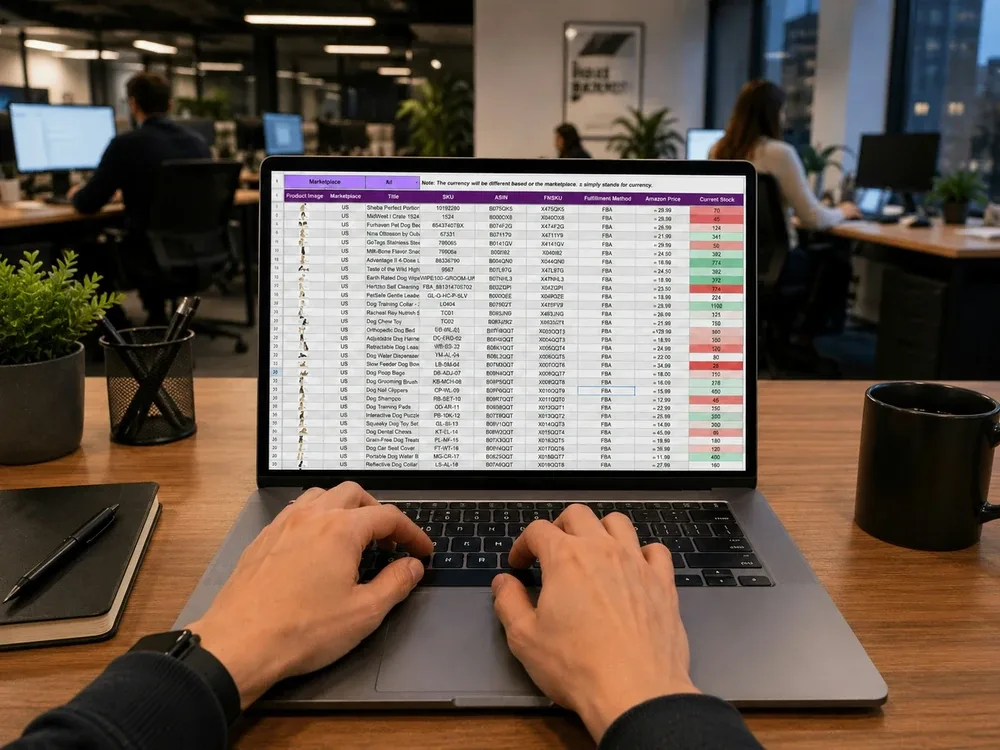
Use a simple whiteboard or a Google Sheet. Just write: Item | Opening | Received | Sold | Waste | Closing.
2. Weekly Section Count (15 minutes)
Each week, assign one staff member to do a full count of one section of the kitchen:
Week 1: Dry storage (canned goods, pasta, rice, spices)
Week 2: Walk-in fridge (dairy, produce, prepared items)
Week 3: Freezer (frozen proteins, vegetables, prepared meals)
Week 4: Bar (spirits, wine, beer, soft drinks)
Rotating sections keeps the workload manageable and ensures every part of your inventory is counted at least once per month.
3. Monthly Full Count (60 minutes)
The last day of every month, do a full physical count of everything in the building. This is your source of truth. Use it to:
Calculate your true food cost percentage for the month
Identify slow-moving items to remove from the menu
Flag discrepancies between what your system says and what is actually on the shelf
Reconcile supplier invoices
The Spreadsheet Template
Here is a minimal column structure for your inventory spreadsheet:
Item Name        | Category  | Unit   | Par   | Opening | Received | Sold  | Waste | Closing | Unit Cost | Extended
-----------------|-----------|--------|-------|---------|----------|-------|-------|---------|-----------|---------
Chicken Breast   | Protein   | kg     | 10    | 12      | 20       | 18    | 0.5   | 13.5    | €8.50     | €114.75
Roma Tomatoes    | Produce   | kg     | 5     | 6       | 10       | 9     | 0.3   | 6.7     | €3.20     | €21.44
The Extended column is Closing × Unit Cost. Sum all Extended values for your total closing inventory value.
Make It a Habit
The best system in the world is useless if nobody uses it. Build these habits from day one:
Same time, every day. Do the daily par count before the lunch rush — same time, every shift.
One person owns it. Assign one person per shift to be responsible for the count. Rotate weekly so everyone learns.
No exceptions. Even on your busiest day, the 5-minute par count happens. Skip it once and it becomes optional.
Review as a team. Share the weekly and monthly numbers with your kitchen team. When they see the impact of waste on the bottom line, behaviour changes.
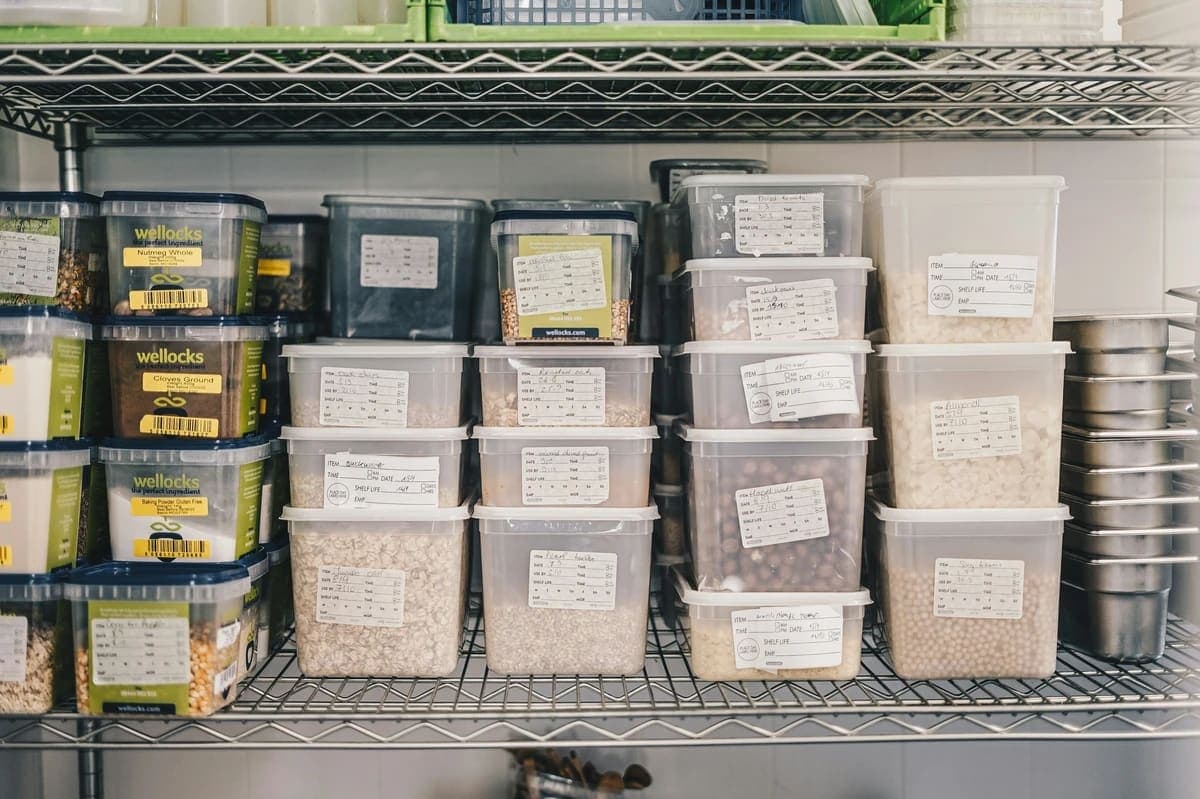
💡 Tip: Pair this system with a simple First-In-First-Out (FIFO) labelling practice. Date every container when it arrives. Older stock goes on the top shelf, newer stock underneath.
The result: Restaurants that implement this system report a 20-30% reduction in food waste within 90 days. That goes straight to your bottom line.


Responses (0)